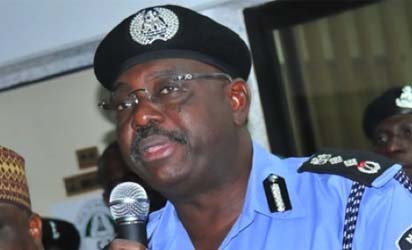
On October 20, 2020, a protest that had become a powerful symbol of Nigerian youths’ demand for justice took a tragic turn at the Lekki Toll Gate in Lagos State. Young Nigerians had gathered to call for an end to police brutality, unlawful arrests, extortion and abuses associated with the Special Anti-Robbery Squad (SARS). That night, reports of security forces opening fire on protesters shocked the nation and drew international attention to Nigeria’s human rights record. ** CNN HEADLINE: Lekki Tollgate Shootings and Killings || 20th October 2020 Nigeria Protest ** The "SORO SOKE" Generation That Refused to Remain Silent. ** The #EndSARS movement grew out of years of complaints about police harassment and abuses, particularly allegations involving SARS officers. For many young Nigerians, the protests represented more than a call to disband a police unit. They reflected a wider demand for accountability, dignity, security and a country in which citizens could exercise their rights without fear. ** Why Was the Special Anti-Robbery Squad (SARS) Created? ** Simeon Danladi Midenda ** The Special Anti-Robbery Squad (SARS) was established in 1992 under the Criminal Investigation & Intelligence Department of the Nigerian Police Force to fight serious crimes, especially armed robbery and kidnapping and Simeon Danladi Midenda was credited with bringing together different anti-robbery units in Lagos to form SARS after he was transferred there to help tackle the rising cases of armed robbery. ** How the EndSARS Movement Began. ** From #EndSARS to #EndSWAT, Nigeria protests explained - BBC Africa - 2020. ** On October 3, 2020, a video spread across social media showing SARS officers dragging two men from a hotel in Ughelli, Delta State. One of the men was reportedly shot during the incident. The video angered many Nigerians, especially young people who had complained for years about police officers beating, arresting and troubling innocent people. Soon, young Nigerians began going out to protest. They wanted the government to end SARS and punish officers who abused their power. ** On October 11, 2020, the Inspector-General of Police announced that SARS had been disbanded but many protesters did not believe that this would solve the problem. They had heard similar promises before, yet complaints about police abuse continued. They feared that the same officers might return under a different name. They wanted more than words - REAL CHANGE. ** As the protests spread across Nigeria, protesters presented five major demands: ** The immediate release of all arrested protesters. Justice for victims of police brutality and compensation for their families. An independent body to investigate and prosecute cases of police misconduct. An increase in police salaries to improve officers' welfare. Psychological evaluation and retraining of former SARS officers before they could be redeployed. ** falz -2020 endsars movement. mr makaroni - 2020 #EndSARS movement Young Nigerians from different backgrounds came together, and popular entertainers, including Falz, Burna Boy and Mr Macaroni were also on ground to support the #EndSARS movement. ** Day after day, protesters returned to demand justice. They carried the Nigerian flag, sang songs of solidarity and called for a country where people would not have to fear those meant to protect them. Many offered food, water and medical assistance, while others used social media to share updates and spread the movement's message. ** But as the protests continued, tension grew across Lagos. On October 20, 2020, the Lagos State Government announced a 24-hour curfew, initially scheduled to begin at 4 p.m(later moved to 9pm). Despite the announcement, protesters remained at the Lekki Toll Gate. They had gathered to make their voices heard, unaware that the events of that evening would become one of the most painful chapters in Nigeria's recent history. ** THE DEVASTASING SHOOTING AT THE LEKKI TOLL GATE ** lekki toll gate , 2020 ** As night fell on October 20, 2020, events at the Lekki Toll Gate took a tragic turn. Witnesses reported that soldiers arrived at the protest ground and opened fire on the crowd. Some protesters ran for safety, while others tried to help those who had been injured. Videos and messages from the scene quickly spread across social media, leaving many Nigerians worried about the safety of the young people who had gathered there. Amnesty International later reported that soldiers had shot at peaceful protesters, documenting deaths and injuries through witness accounts, video footage and hospital records. The incident shocked Nigeria and attracted international attention, raising serious questions about why armed security personnel used force against people who had gathered to demand an end to police brutality. What Happened in Lagos After the Lekki Toll Gate Shooting? ** Oba of lagos's palace attacked. ** By the morning of October 21, 2020, Lagos was in turmoil. The Lagos State Police Command said violence continued across the state that day, with attacks on the Palace of the Oba of Lagos, Shoprite Ajah, the Nigerian Ports Authority head office, TVC, The Nation newspaper's office and the Igbosere Magistrate Courts. Many shops and malls were looted. Police also said at least ten police stations had been set on fire across the state, including those in Igando and Ikotun. ** The Lekki Toll Gate remained the centre of public grief and anger. The Lagos panel later found that police officers deployed to the toll gate on the night of the shooting and the morning of October 21 shot at, assaulted and battered unarmed protesters, leading to injuries and deaths. Witnesses also described soldiers removing the bodies of fallen protesters in their vans, and the panel found that security operatives prevented ambulances from reaching injured demonstrators. ** CNN #ENDSARS investigation: CNN releases second report on the Lekki shootings ** In the days that followed, Nigerians were left with sharply conflicting accounts. Amnesty International said the shootings at the toll gate and in another part of Lagos killed 12 people. The Nigerian government and the army denied that security forces killed anyone at the toll gate. ** EndSARS Aftermath: Violence and Destruction Across Nigeria ** The unrest after October 20 was not a single event. It was a series of separate incidents with different causes, perpetrators and victims. ** ORILE LAGOS POLICE STATTION. ** Orile, Lagos. The Orile Police Station was attacked and burned. Police said two policemen were killed at the station, though a police witness before the Lagos panel later put the figure at six officers, with others maimed, including the divisional police officer, who was left permanently incapacitated. Residents told ThisDay that an officer at Orile had shot a resident that morning, which angered the crowd. ** Other Lagos areas. The Nigeria Security Tracker recorded deaths in Ikorodu, Mushin and Epe on October 20, and in Ikorodu again on October 21. It also recorded that police killed five looters in Alimosho on October 22. Police described those behind the attacks as "hoodlums" who exploited the protests. Many peaceful protesters said they had no part in the violence. ** Benin City, Edo State. This was separate from the Lagos events. A prison in Benin was broken into on October 19, and six people were killed. Reports also described jailbreaks at the Benin and Oko prisons that freed several inmates, and seven police stations burned in Benin City. ** South-East and South-South. Police stations were attacked and burned in states including Anambra (Nnewi) and Ebonyi (Ohaozara). In Rivers State, the tracker recorded three police officers killed in Oyigbo and three deaths in Port Harcourt on October 21. ** Police casualty figures. On October 30, police said at least 22 officers were killed between October 11 and October 27, and that hundreds of police stations and formations nationwide were damaged. These are police figures and were not independently verified. ** Human Rights Watch noted that authorities also responded to protests in Ogun, Oyo and Abuja with excessive force. The violence came from several directions, and it would be a mistake to attribute all of it to one side. ** Lekki Shooting Investigation: What the Judicial Panel Found ** On October 15, 2020, Governor Babajide Sanwo-Olu set up a judicial panel of inquiry to receive complaints of police abuse and recommend prosecutions and compensation. He later extended its mandate to cover the Lekki shooting. The panel submitted a 309-page report on November 15, 2021, after hearing victims, the army, the police, the toll gate operators, the Lagos government and hospitals. ** What the panel found ** The panel listed 48 casualties of the Lekki incident and said it could not establish the total number of people killed. Reports of the document differ slightly. TheCable and ICIR reported nine confirmed dead and four presumed dead, while Human Rights Watch counted 11 dead, four missing and presumed dead, and 21 wounded by gunshots. ** The panel found that Nigerian Army officers shot, injured and killed unarmed protesters who were waving the national flag and singing the national anthem. It said the manner of assault and killing could in context be described as a massacre. It held that deploying the army to the toll gate, where no violence had been reported, was "totally unwarranted". It found that police deployed to the toll gate on the night of October 20 and the morning of October 21 also shot at, assaulted and battered unarmed protesters. It said it was alleged and corroborated that soldiers removed the bodies of fallen protesters in their vans. One witness said she saw about seven bodies in a military truck, and a protester who was shot and presumed dead said about 11 corpses were in the van where he was placed. It called the denial of ambulances to injured protesters cruel and inhuman, and said it contributed to the number of deaths and casualties. It said the Lekki Concession Company (LCC) manipulated the incomplete CCTV footage it submitted. It also found an attempt to cover up the incident by cleaning the toll gate and failing to preserve the scene. It found that the Lagos State Government, through the Governor, had invited the Nigerian Army before soldiers were deployed to the toll gate. ** Its recommendations included prosecuting the DPO of Maroko Police Station and the officers deployed from the station, disciplining or dismissing army officers implicated, and building a memorial with the names of those killed and injured. ** The government's response ** On November 30, 2021, the Lagos State Government released a white paper. It accepted 11 of the 32 recommendations, rejected one, accepted six with modifications, and said 14 fell outside its powers and would be sent to the Federal Government. The aspect involving the military was referred to the Federal Government. ** The recommendation it rejected outright was the finding that nine people died. The white paper called the claim "assumptions and speculations" and said the panel gave no explanation of how the nine died. It also noted that compensation was awarded to only one of the nine. Attorney-General Moyosore Onigbanjo, who led the committee that drafted the white paper, later said the state's position was that there was no massacre at the Lekki Toll Gate. ** The Federal Government rejected the report as well. Information Minister Lai Mohammed said it should be disregarded as fake and insisted there was no massacre. Human Rights Watch reported that the federal government rejected the panel's recommendations and continued to describe reports of killings at the toll gate as "fake news". Amnesty International reported that at least 12 people were killed at Lekki and Alausa in Lagos. ** International ruling ** On July 10, 2024, the ECOWAS Court of Justice ruled in a case brought by three Lekki survivors that Nigeria had violated their rights, including security of person, freedom of expression and assembly, and the duty to investigate. It ordered compensation and directed Nigeria to investigate and prosecute those responsible. Reports differ on the amount awarded: Sahara Reporters reported N2 million each, while other outlets reported N10 million each. In October 2025, activists said there was no sign of compliance. ** The EndSARS Legacy: How Nigerian Youths Changed the Conversation ** A decentralised movement. EndSARS was driven largely by young Nigerians organising themselves. The Feminist Coalition, formed in July 2020, became one of its most visible pillars. On October 23, 2020 it reported receiving about N147.9 million in donations, of which about N60.4 million had been disbursed. The money funded medical aid, logistics, security and legal support for detained protesters. Scholars have since studied the movement as part of a long line of Nigerian women's activism against state repression. ** Digital media as a witness. Twitter was the major site of #EndSARS digital activism. The Lekki crackdown was streamed live by protesters, so the shooting was documented in real time. The movement turned phones into evidence and hashtags into organising tools. ** A changed conversation about policing. The protests moved the debate beyond one unit. A protester told Al Jazeera it was the fourth time since 2017 that the government had promised to disband or reform SARS, and New Internationalist counted the October 11, 2020 announcement as the fifth disbandment since 2015. That history explains why many protesters distrusted it. The movement also opened space for bolder ideas, including police abolition, which gained support alongside calls for reform. ** Unfinished business. Six years on, activists say the core demands are unmet. The Police Act 2020, signed in September 2020 before the protests, remains a reference point for reformers, and an October 2025 opinion piece argued that its full implementation is still pending. Activists marking the fifth anniversary said abuses continue under new police units and that the ECOWAS ruling had not been complied with. For the sixth anniversary, the Youth Rights Campaign said justice has yet to be secured for Lekki victims, and CAPPA called for a public apology and reparations and for the toll gate to be named a national memorial site. ** Even so, EndSARS changed how a generation sees itself and its government. It showed that young Nigerians could organise, fund and sustain a national protest, and that official accounts can be challenged with evidence. Every October 20, the anniversary revives the original questions: who is accountable, who has been compensated, and what has actually changed. ** Source: Human Rights Watch, TheCable, ICIR, ThisDay, Channels TV, Peoples Gazette, Sahara Reporters, Al Jazeera, New Internationalist
On October 20, 2020, a protest that had become a powerful symbol of Nigerian youths’ demand for justice took a tragic turn at the Lekki Toll Gate in Lagos State. Young Nigerians had gathered to call for an end to police brutality, unlawful arrests, extortion and abuses associated with the Special Anti-Robbery Squad (SARS). That night, reports of security forces opening fire on protesters shocked the nation and drew international attention to Nigeria’s human rights record. ** CNN HEADLINE: Lekki Tollgate Shootings and Killings || 20th October 2020 Nigeria Protest ** The "SORO SOKE" Generation That Refused to Remain Silent. ** The #EndSARS movement grew out of years of complaints about police harassment and abuses, particularly allegations involving SARS officers. For many young Nigerians, the protests represented more than a call to disband a police unit. They reflected a wider demand for accountability, dignity, security and a country in which citizens could exercise their rights without fear. ** Why Was the Special Anti-Robbery Squad (SARS) Created? ** Simeon Danladi Midenda ** The Special Anti-Robbery Squad (SARS) was established in 1992 under the Criminal Investigation & Intelligence Department of the Nigerian Police Force to fight serious crimes, especially armed robbery and kidnapping and Simeon Danladi Midenda was credited with bringing together different anti-robbery units in Lagos to form SARS after he was transferred there to help tackle the rising cases of armed robbery. ** How the EndSARS Movement Began. ** From #EndSARS to #EndSWAT, Nigeria protests explained - BBC Africa - 2020. ** On October 3, 2020, a video spread across social media showing SARS officers dragging two men from a hotel in Ughelli, Delta State. One of the men was reportedly shot during the incident. The video angered many Nigerians, especially young people who had complained for years about police officers beating, arresting and troubling innocent people. Soon, young Nigerians began going out to protest. They wanted the government to end SARS and punish officers who abused their power. ** On October 11, 2020, the Inspector-General of Police announced that SARS had been disbanded but many protesters did not believe that this would solve the problem. They had heard similar promises before, yet complaints about police abuse continued. They feared that the same officers might return under a different name. They wanted more than words - REAL CHANGE. ** As the protests spread across Nigeria, protesters presented five major demands: ** The immediate release of all arrested protesters. Justice for victims of police brutality and compensation for their families. An independent body to investigate and prosecute cases of police misconduct. An increase in police salaries to improve officers' welfare. Psychological evaluation and retraining of former SARS officers before they could be redeployed. ** falz -2020 endsars movement. mr makaroni - 2020 #EndSARS movement Young Nigerians from different backgrounds came together, and popular entertainers, including Falz, Burna Boy and Mr Macaroni were also on ground to support the #EndSARS movement. ** Day after day, protesters returned to demand justice. They carried the Nigerian flag, sang songs of solidarity and called for a country where people would not have to fear those meant to protect them. Many offered food, water and medical assistance, while others used social media to share updates and spread the movement's message. ** But as the protests continued, tension grew across Lagos. On October 20, 2020, the Lagos State Government announced a 24-hour curfew, initially scheduled to begin at 4 p.m(later moved to 9pm). Despite the announcement, protesters remained at the Lekki Toll Gate. They had gathered to make their voices heard, unaware that the events of that evening would become one of the most painful chapters in Nigeria's recent history. ** THE DEVASTASING SHOOTING AT THE LEKKI TOLL GATE ** lekki toll gate , 2020 ** As night fell on October 20, 2020, events at the Lekki Toll Gate took a tragic turn. Witnesses reported that soldiers arrived at the protest ground and opened fire on the crowd. Some protesters ran for safety, while others tried to help those who had been injured. Videos and messages from the scene quickly spread across social media, leaving many Nigerians worried about the safety of the young people who had gathered there. Amnesty International later reported that soldiers had shot at peaceful protesters, documenting deaths and injuries through witness accounts, video footage and hospital records. The incident shocked Nigeria and attracted international attention, raising serious questions about why armed security personnel used force against people who had gathered to demand an end to police brutality. What Happened in Lagos After the Lekki Toll Gate Shooting? ** Oba of lagos's palace attacked. ** By the morning of October 21, 2020, Lagos was in turmoil. The Lagos State Police Command said violence continued across the state that day, with attacks on the Palace of the Oba of Lagos, Shoprite Ajah, the Nigerian Ports Authority head office, TVC, The Nation newspaper's office and the Igbosere Magistrate Courts. Many shops and malls were looted. Police also said at least ten police stations had been set on fire across the state, including those in Igando and Ikotun. ** The Lekki Toll Gate remained the centre of public grief and anger. The Lagos panel later found that police officers deployed to the toll gate on the night of the shooting and the morning of October 21 shot at, assaulted and battered unarmed protesters, leading to injuries and deaths. Witnesses also described soldiers removing the bodies of fallen protesters in their vans, and the panel found that security operatives prevented ambulances from reaching injured demonstrators. ** CNN #ENDSARS investigation: CNN releases second report on the Lekki shootings ** In the days that followed, Nigerians were left with sharply conflicting accounts. Amnesty International said the shootings at the toll gate and in another part of Lagos killed 12 people. The Nigerian government and the army denied that security forces killed anyone at the toll gate. ** EndSARS Aftermath: Violence and Destruction Across Nigeria ** The unrest after October 20 was not a single event. It was a series of separate incidents with different causes, perpetrators and victims. ** ORILE LAGOS POLICE STATTION. ** Orile, Lagos. The Orile Police Station was attacked and burned. Police said two policemen were killed at the station, though a police witness before the Lagos panel later put the figure at six officers, with others maimed, including the divisional police officer, who was left permanently incapacitated. Residents told ThisDay that an officer at Orile had shot a resident that morning, which angered the crowd. ** Other Lagos areas. The Nigeria Security Tracker recorded deaths in Ikorodu, Mushin and Epe on October 20, and in Ikorodu again on October 21. It also recorded that police killed five looters in Alimosho on October 22. Police described those behind the attacks as "hoodlums" who exploited the protests. Many peaceful protesters said they had no part in the violence. ** Benin City, Edo State. This was separate from the Lagos events. A prison in Benin was broken into on October 19, and six people were killed. Reports also described jailbreaks at the Benin and Oko prisons that freed several inmates, and seven police stations burned in Benin City. ** South-East and South-South. Police stations were attacked and burned in states including Anambra (Nnewi) and Ebonyi (Ohaozara). In Rivers State, the tracker recorded three police officers killed in Oyigbo and three deaths in Port Harcourt on October 21. ** Police casualty figures. On October 30, police said at least 22 officers were killed between October 11 and October 27, and that hundreds of police stations and formations nationwide were damaged. These are police figures and were not independently verified. ** Human Rights Watch noted that authorities also responded to protests in Ogun, Oyo and Abuja with excessive force. The violence came from several directions, and it would be a mistake to attribute all of it to one side. ** Lekki Shooting Investigation: What the Judicial Panel Found ** On October 15, 2020, Governor Babajide Sanwo-Olu set up a judicial panel of inquiry to receive complaints of police abuse and recommend prosecutions and compensation. He later extended its mandate to cover the Lekki shooting. The panel submitted a 309-page report on November 15, 2021, after hearing victims, the army, the police, the toll gate operators, the Lagos government and hospitals. ** What the panel found ** The panel listed 48 casualties of the Lekki incident and said it could not establish the total number of people killed. Reports of the document differ slightly. TheCable and ICIR reported nine confirmed dead and four presumed dead, while Human Rights Watch counted 11 dead, four missing and presumed dead, and 21 wounded by gunshots. ** The panel found that Nigerian Army officers shot, injured and killed unarmed protesters who were waving the national flag and singing the national anthem. It said the manner of assault and killing could in context be described as a massacre. It held that deploying the army to the toll gate, where no violence had been reported, was "totally unwarranted". It found that police deployed to the toll gate on the night of October 20 and the morning of October 21 also shot at, assaulted and battered unarmed protesters. It said it was alleged and corroborated that soldiers removed the bodies of fallen protesters in their vans. One witness said she saw about seven bodies in a military truck, and a protester who was shot and presumed dead said about 11 corpses were in the van where he was placed. It called the denial of ambulances to injured protesters cruel and inhuman, and said it contributed to the number of deaths and casualties. It said the Lekki Concession Company (LCC) manipulated the incomplete CCTV footage it submitted. It also found an attempt to cover up the incident by cleaning the toll gate and failing to preserve the scene. It found that the Lagos State Government, through the Governor, had invited the Nigerian Army before soldiers were deployed to the toll gate. ** Its recommendations included prosecuting the DPO of Maroko Police Station and the officers deployed from the station, disciplining or dismissing army officers implicated, and building a memorial with the names of those killed and injured. ** The government's response ** On November 30, 2021, the Lagos State Government released a white paper. It accepted 11 of the 32 recommendations, rejected one, accepted six with modifications, and said 14 fell outside its powers and would be sent to the Federal Government. The aspect involving the military was referred to the Federal Government. ** The recommendation it rejected outright was the finding that nine people died. The white paper called the claim "assumptions and speculations" and said the panel gave no explanation of how the nine died. It also noted that compensation was awarded to only one of the nine. Attorney-General Moyosore Onigbanjo, who led the committee that drafted the white paper, later said the state's position was that there was no massacre at the Lekki Toll Gate. ** The Federal Government rejected the report as well. Information Minister Lai Mohammed said it should be disregarded as fake and insisted there was no massacre. Human Rights Watch reported that the federal government rejected the panel's recommendations and continued to describe reports of killings at the toll gate as "fake news". Amnesty International reported that at least 12 people were killed at Lekki and Alausa in Lagos. ** International ruling ** On July 10, 2024, the ECOWAS Court of Justice ruled in a case brought by three Lekki survivors that Nigeria had violated their rights, including security of person, freedom of expression and assembly, and the duty to investigate. It ordered compensation and directed Nigeria to investigate and prosecute those responsible. Reports differ on the amount awarded: Sahara Reporters reported N2 million each, while other outlets reported N10 million each. In October 2025, activists said there was no sign of compliance. ** The EndSARS Legacy: How Nigerian Youths Changed the Conversation ** A decentralised movement. EndSARS was driven largely by young Nigerians organising themselves. The Feminist Coalition, formed in July 2020, became one of its most visible pillars. On October 23, 2020 it reported receiving about N147.9 million in donations, of which about N60.4 million had been disbursed. The money funded medical aid, logistics, security and legal support for detained protesters. Scholars have since studied the movement as part of a long line of Nigerian women's activism against state repression. ** Digital media as a witness. Twitter was the major site of #EndSARS digital activism. The Lekki crackdown was streamed live by protesters, so the shooting was documented in real time. The movement turned phones into evidence and hashtags into organising tools. ** A changed conversation about policing. The protests moved the debate beyond one unit. A protester told Al Jazeera it was the fourth time since 2017 that the government had promised to disband or reform SARS, and New Internationalist counted the October 11, 2020 announcement as the fifth disbandment since 2015. That history explains why many protesters distrusted it. The movement also opened space for bolder ideas, including police abolition, which gained support alongside calls for reform. ** Unfinished business. Six years on, activists say the core demands are unmet. The Police Act 2020, signed in September 2020 before the protests, remains a reference point for reformers, and an October 2025 opinion piece argued that its full implementation is still pending. Activists marking the fifth anniversary said abuses continue under new police units and that the ECOWAS ruling had not been complied with. For the sixth anniversary, the Youth Rights Campaign said justice has yet to be secured for Lekki victims, and CAPPA called for a public apology and reparations and for the toll gate to be named a national memorial site. ** Even so, EndSARS changed how a generation sees itself and its government. It showed that young Nigerians could organise, fund and sustain a national protest, and that official accounts can be challenged with evidence. Every October 20, the anniversary revives the original questions: who is accountable, who has been compensated, and what has actually changed. ** Source: Human Rights Watch, TheCable, ICIR, ThisDay, Channels TV, Peoples Gazette, Sahara Reporters, Al Jazeera, New Internationalist




No comments yet. Be the first to share your thoughts.