
Nigeria @ 66: From Independence To The Nigeria We Have Today


66 years after the Union Jack was lowered, Nigerians are once again asking the question: How far have we really come?
WALK DOWN MEMORY LANE WITH ME.

On October 1, 1960, the Union Jack was lowered in Nigeria and replaced by the green-white-green flag. For millions of Nigerians, it was more than a change of flags. It was the beginning of a country expected to determine its own destiny.

Sir Abubakar Tafawa Balewa became Nigeria's first Prime Minister, while Dr Nnamdi Azikiwe became the country's first Governor-General. The atmosphere surrounding independence was one of optimism. Nigeria had finally taken control of its own affairs after decades under British colonial rule, and expectations for the young nation were enormous. But independence did not mean that Nigeria's problems disappeared overnight.

The new country inherited a complex political structure, deep regional differences and an economy that had largely been shaped around colonial interests. Nigeria was a federation made up of regions with their own political interests, and disagreements between political leaders increasingly tested the young nation's unity.
FROM HOPE TO TURBULENCE.

The optimism of independence was followed by years of political tension. In 1963, Nigeria became a republic, with Nnamdi Azikiwe becoming the country's first President. But the political crisis that followed would eventually change the direction of the country.
In January 1966, Nigeria experienced its first military coup. Months later, another coup took place, and the political crisis deepened. What followed was one of the darkest periods in the country's history.
THE CIVIL WAR
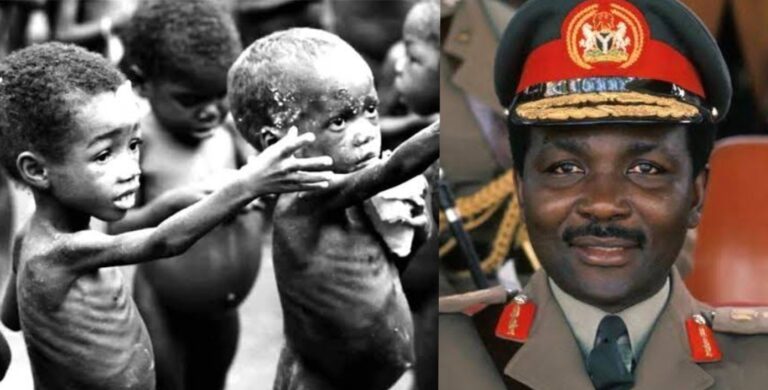
In 1967, the Eastern Region declared itself the independent Republic of Biafra. The declaration triggered a civil war that lasted from 1967 to 1970.
Millions of people were affected by the conflict, while an entire generation experienced displacement, hunger, loss and uncertainty.
When the war ended in January 1970, Nigeria remained one country. But the scars of the conflict became part of the nation's history. The government adopted the policy of "No Victor, No Vanquished" and began the difficult process of rebuilding and reconciliation. Nigeria had survived its first major test of national unity. But the country's political journey was far from over.
MILITARY RULE AND THE SEARCH FOR DEMOCRACY
For much of the following decades, Nigeria moved between military and civilian governments. Civilian rule returned in 1979, but another military takeover followed in 1983. More years of military government followed. For Nigerians who lived through the period, democracy was no longer simply a political idea. It became a hope for a government chosen by the people and accountable to them.
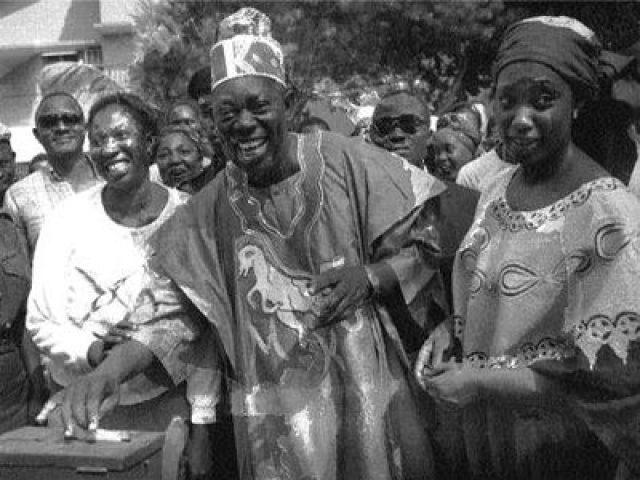
The events surrounding the annulment of the June 12, 1993 presidential election became another major chapter in that struggle. After years of political uncertainty and military rule, Nigeria eventually returned to democratic government in 1999. That marked the beginning of the Fourth Republic - the democratic era under which Nigeria remains today.
BUT WHAT HAPPENED TO THE DREAM?
The Nigeria of 1960 had a population of only a fraction of what it is today.

Today, more than six decades later, Nigeria has one of the world's largest populations, one of Africa's biggest economies and a young population filled with people building businesses, creating technology, making music, producing films and seeking opportunities around the world. Nigerians have made their presence felt far beyond the country's borders. Afrobeats has become a global cultural force. Nollywood has built one of the world's largest film industries. Nigerian professionals occupy positions across medicine, engineering, technology, academia, finance, entertainment and countless other fields. There is undoubtedly progress to point to. But progress has not reached everyone equally. For many Nigerians, everyday life is still defined by the struggle to afford basic necessities, find meaningful employment, access quality education and healthcare, and live safely.
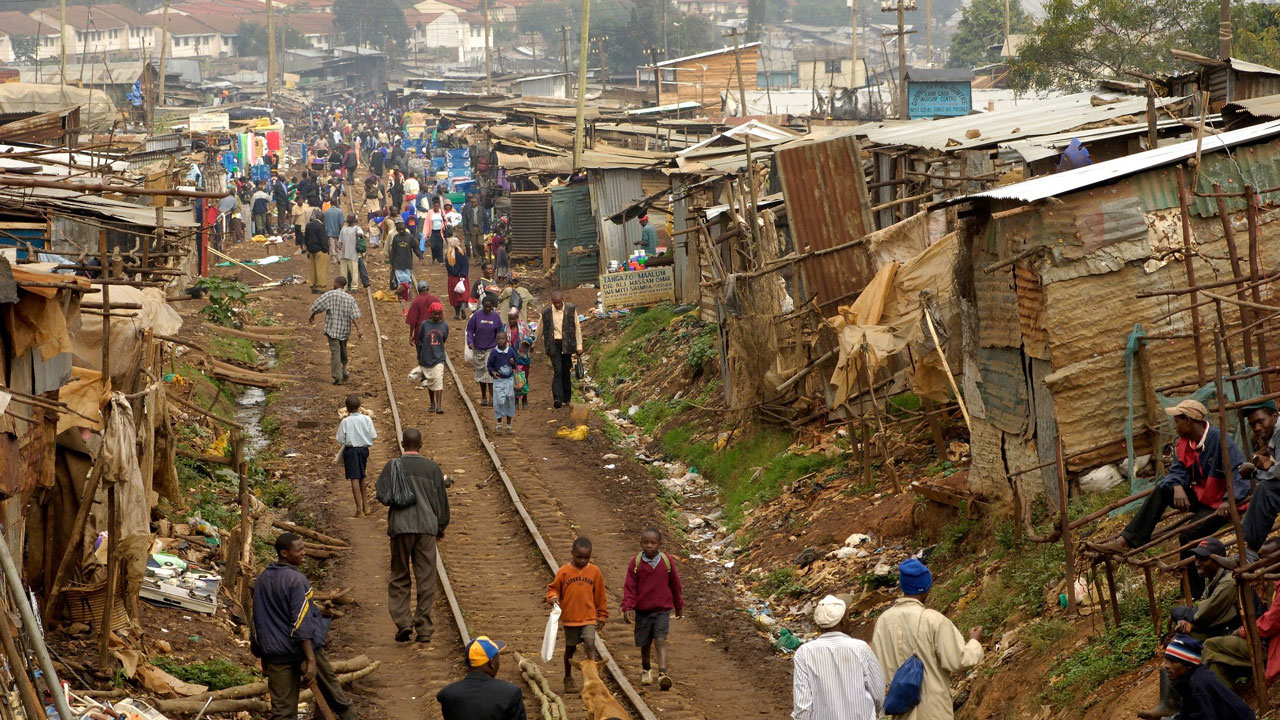
The country has enormous resources and human capital, yet questions about infrastructure, governance, insecurity, unemployment, poverty and the cost of living continue to dominate national conversations. And that brings us back to October 1.
NIGERIA @ 66

Sixty-six years is a long time. It is long enough for a child born at independence to become a grandparent. It is long enough for several generations to grow up under one flag. "A fool at 40 is a fool forever" It is also long enough to ask difficult questions.
- How far have we really come?
- What happened to the dreams of those who celebrated independence in 1960?
- What would the country's founding generation think of Nigeria today?
And perhaps the biggest question of all: What should Nigeria look like when it turns 100?
A COUNTRY STILL BEING BUILT
Nigeria's story cannot be reduced to its failures. Neither can it be told honestly by ignoring them. The country has survived political crises, military coups, a civil war, economic shocks and years of uncertainty. It has also produced remarkable people, businesses, culture and ideas. The Nigeria of today is therefore a complicated picture — a country with enormous potential and equally enormous challenges.
@ 66, Nigeria is no longer the young nation that celebrated its independence in 1960. But it is not yet the finished nation that many of its founders may have imagined. It is still being built. And perhaps that is what October 1 should remind us of. Independence gave Nigeria the opportunity to determine its own future.
Sixty-six years later, the question is no longer simply whether Nigeria is independent.
The question is: What have we done with that independence?
Happy Independence Day, Nigeria.
Noticed any missing or inappropriate content? Please Click Here to report it to us.
This report will be sent directly to our support team. You will be listed as Anonymous.
Nigeria, it will be between @66 years after💔
0 likes