
Today in History: Dele Giwa’s Unresolved Assassination, Journalism, Biography And Career

On October 19, 1986, Nigerian journalist Dele Giwa, founding editor-in-chief of Newswatch magazine, was fatally injured by a parcel bomb at his home in Ikeja, Lagos. Nearly four decades later, his assassination remains one of the most enduring unresolved cases in Nigeria’s journalism history.
Dele Giwa's death marked a dark moment in Nigeria's media history, cutting short the career of a journalist known for investigative reporting and editorial leadership. His assassination occurred during military rule and raised serious concerns about press freedom and the safety of journalists.
Dele Giwa's Early Life, Education and Journalism Career
Born Sumonu Oladele Giwa on March 16, 1947, in Ile-Ife, present-day Osun State, Dele Giwa became one of Nigeria's most influential journalists of the 1980s. His professional journey took him from Nigerian newspapers to the United States and eventually to the establishment of a magazine that changed the country's news reporting landscape.
Giwa studied in Nigeria before travelling to the United States for further education. He graduated from Brooklyn College in 1977 and also studied at Fordham University. He gained professional experience in American journalism, including working with The New York Times, before returning to Nigeria to continue his career.
He joined Daily Times and later worked with Sunday Concord, building a reputation for his writing, editorial judgement and willingness to examine issues beyond the immediate news. His work reflected a belief that journalism should not merely repeat official statements; it should investigate public affairs, scrutinise those in authority and give readers the information needed to understand decisions affecting their lives.
For Giwa, the purpose of journalism extended beyond reporting what had happened. It also involved asking why events occurred, examining the interests behind government policies and holding public officials accountable. These principles would become central to his work at Newswatch.
How Dele Giwa Co-Founded Newswatch Magazine
In 1984, Giwa joined fellow journalists Ray Ekpu, Dan Agbese and Yakubu Mohammed to establish Newswatch. The magazine's first edition was distributed on January 28, 1985, introducing a publication designed to give Nigerian readers more detailed reporting, investigation and analysis than the conventional news format often provided.
Giwa served as the magazine's founding editor-in-chief, while Ekpu was his deputy. The four founders brought substantial experience from newspapers and other publications, but Newswatch represented a different kind of undertaking: a publication built around their collective editorial independence and ambition to examine national affairs closely.
The magazine emerged under military rule, when reporting on government decisions and the conduct of powerful officials could attract unwanted attention. Its approach gave greater prominence to investigative stories, political analysis and issues of public interest.
Giwa's commitment to the project was captured in a remark recalled by his colleague Dan Agbese: “Newswatch is all we have; we must give it all we have got.”
The statement reflected the seriousness with which the founders approached their work. They wanted the magazine to establish high professional standards and demonstrate that Nigerian journalism could be independent and influential. This ambition also placed Newswatch in a difficult political environment. Its reporting increasingly tested the boundaries between the press and the military government, creating tensions that became particularly significant in 1986.
Dele Giwa's Reporting and Tensions With the Military Government
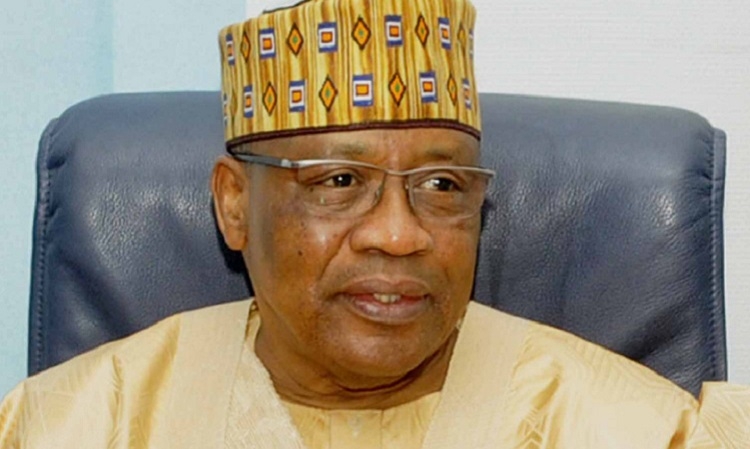
Nigeria was under the military administration of General Ibrahim Babangida when Newswatch expanded its influence. Although the publication initially attracted attention for its reporting and analysis, its willingness to scrutinise government decisions became a source of tension.
One issue that drew attention was Giwa's commentary on the Second-Tier Foreign Exchange Market (SFEM) - an economic policy introduced by the Babangida administration in 1986. Giwa questioned the policy's possible consequences and warned about the public reaction if the government's economic experiment failed.
His reporting and commentary took place at a time when the military government was sensitive to criticism and journalists faced pressure over what they published. Giwa was summoned to the State Security Service (SSS) - now known as the Department of State Services (DSS) -in September 1986, according to contemporary accounts and later reports.

The confrontation became more serious in October. Accounts presented by his lawyer, Gani Fawehinmi, and other associates stated that Giwa was questioned by security officials about allegations involving arms importation and a plan to destabilise the government. Giwa denied the accusations, which his associates considered unfounded.
These events are important to the history of his assassination because they placed him in direct contact with senior security officials shortly before his death. However, the sequence of events alone does not establish who ordered or carried out the bombing.
Dele Giwa's Assassination: The Parcel Bomb Explosion -
On Sunday, October 19, 1986, Giwa was at his residence on Talabi Street in Ikeja, Lagos. He was 39 years old.
A parcel was delivered to the house. Accounts from colleagues described it as a large envelope that appeared to carry an official government seal. Giwa was with members of his household and Kayode Soyinka, a journalist who headed *Newswatch*'s London bureau.
When Giwa attempted to open the package, it exploded. The blast fatally injured him, turning an ordinary morning at home into one of the most shocking incidents in Nigerian media history.
The use of a parcel bomb made the killing particularly disturbing. The package had been delivered to a private residence, and the explosion occurred when Giwa tried to open it. The attack demonstrated that a journalist could be targeted beyond the newsroom, even in the presence of family members and colleagues.
News of his death shocked journalists and the wider public. His assassination also raised urgent questions about the security of journalists working under military rule and whether the authorities would identify those responsible.
No person has been conclusively convicted of Giwa's murder, and the identity of the person or persons who organised the bombing remains unresolved.
Who Was Suspected in the Dele Giwa Murder Case?
The circumstances surrounding Giwa's death led to allegations involving people in the military and security establishment. These allegations became the focus of years of legal efforts and public calls for an investigation.
Among the officials named in the controversy were Haliru Akilu, then associated with military intelligence, and A.K. Togun, a senior security official who had questioned Giwa shortly before the bombing. The allegations against them were pursued by Fawehinmi, Giwa's lawyer, who sought to bring them before the courts.
Colleagues also drew attention to reported telephone calls and the timing of Giwa's security-service interrogation. These details contributed to suspicions surrounding the case, but suspicions and allegations can not be treated as proof of criminal responsibility.
General Ibrahim Babangida, who was Nigeria's military head of state at the time, has also faced public allegations and questions about the circumstances of Giwa's death. Babangida has denied involvement. No final criminal judgment has established that he ordered the assassination.
In February 1988, a Lagos High Court dismissed charges against Akilu and Togun, citing insufficient evidence to establish a case against them. Subsequent legal proceedings also failed to produce a conviction for Giwa's murder.
The distinction is important: the officials were accused and became subjects of public scrutiny, but the unresolved nature of the case means their alleged roles cannot be presented as judicially established facts.
Gani Fawehinmi's Legal Fight & the Oputa Panel
After Giwa's death, Fawehinmi pursued legal action in an effort to secure a prosecution. His work became a major part of the public campaign for justice, as he challenged the handling of the investigation and sought to hold those he believed responsible to account.
The case encountered legal obstacles. Attempts to initiate prosecution against Akilu and Togun did not result in a successful criminal trial establishing responsibility for the bombing. The proceedings exposed the difficulties of pursuing accountability in a case involving senior figures in the military establishment.
The matter returned to public attention before the Human Rights Violations Investigation Commission, commonly called the Oputa Panel, established under President Olusegun Obasanjo to examine human rights abuses committed during previous military administrations.
The panel considered petitions concerning Giwa's murder and heard accounts about the events preceding his death. Its report recorded allegations against security officials and called attention to the need for further investigation. However, the panel was not a criminal court, and its proceedings did not result in a criminal conviction for the assassination.
Despite decades of questions, legal efforts and public appeals, the central question remains unanswered: who arranged the delivery of the parcel bomb, and who was ultimately responsible for Giwa's death?
Dele Giwa's Legacy in Nigerian Journalism
Giwa's assassination did not erase the influence of his work. Through Newswatch, he helped strengthen a model of journalism that placed investigative reporting, editorial independence and public accountability at the centre of news production.
His career remains a reference point in discussions about the responsibilities and risks of journalism in Nigeria. His story illustrates the importance of scrutinising official decisions, verifying claims and investigating matters that affect the public—even when powerful interests may object.
The magazine continued after his death, and his colleagues repeatedly recalled his dedication to the publication and its mission. His death also became a lasting reminder of the need to protect journalists and investigate attacks against media professionals.
Today, the 40th anniversary of his assassination, Newswatch's legacy and Giwa's place in Nigerian journalism remain subjects of remembrance. A book titled Dele Giwa's Granite Journalism, edited by Ray Ekpu, was scheduled for presentation in Lagos offering another opportunity to revisit his work and influence.
Forty years after the bombing, the importance of Giwa's career lies not only in how he died but also in the journalistic principles he represented. His commitment to investigation and accountability continues to provide a standard against which press freedom and professional courage in Nigeria can be considered.
His assassination remains unresolved. The continued absence of a definitive judicial account of who planned and carried out the bombing is a reminder that remembering a journalist also means continuing to seek answers about the circumstances of his death.
Sources
- HistoryVille youtube channel
- Committee to Protect Journalists: When the Sun Set in Nigeria — Dele Giwa's Murder
- The Guardian Nigeria: Dele Giwa, the Flaming Journalist
- Committee to Protect Journalists: Former Dictator Refuses to Testify in Journalist's Unsolved Murder
- Oputa Panel Report, Volume Four
- UPI Archives: Security Agents Cleared in Newsman's Murder
- TheCable: Newswatch to Unveil Book on Dele Giwa 40 Years After Assassination
Noticed any missing or inappropriate content? Please Click Here to report it to us.
This report will be sent directly to our support team. You will be listed as Anonymous.
No comments yet. Be the first to share your thoughts.